Grassroots football runs on the quiet, steady effort of people who don’t ask for anything back. They’re the ones who show up first, leave last, and do it all again next week. Think of the parent who drives to every game without a peep, the volunteer marking the field early in the morning, or the coach who notices a kid seems down and stays to chat.
Most of this work never gets seen beyond the sidelines. No big headlines or highlight reels. But these small, repeated actions are what the game is built on.
Along with all that heart, there’s also a lot of unspoken pressure. That’s why the Grassroots Coachathon, led by David Flitcroft, has become so important for everyone in the game.
It started with a very personal loss, talked about openly in a Sky Sports interview. Now, it’s grown into a bigger movement focused on connecting people, building community, and raising awareness in ways that truly save lives in grassroots football.
You can read his full story here:
Read David Flitcroft’s Sky Sports interview →
This post, though, is about the day itself. The vibe. Why it happened. And the feeling of everyone being in it together.
A Day with Meaning
Right from the start, it was clear this wasn’t just any regular grassroots event.
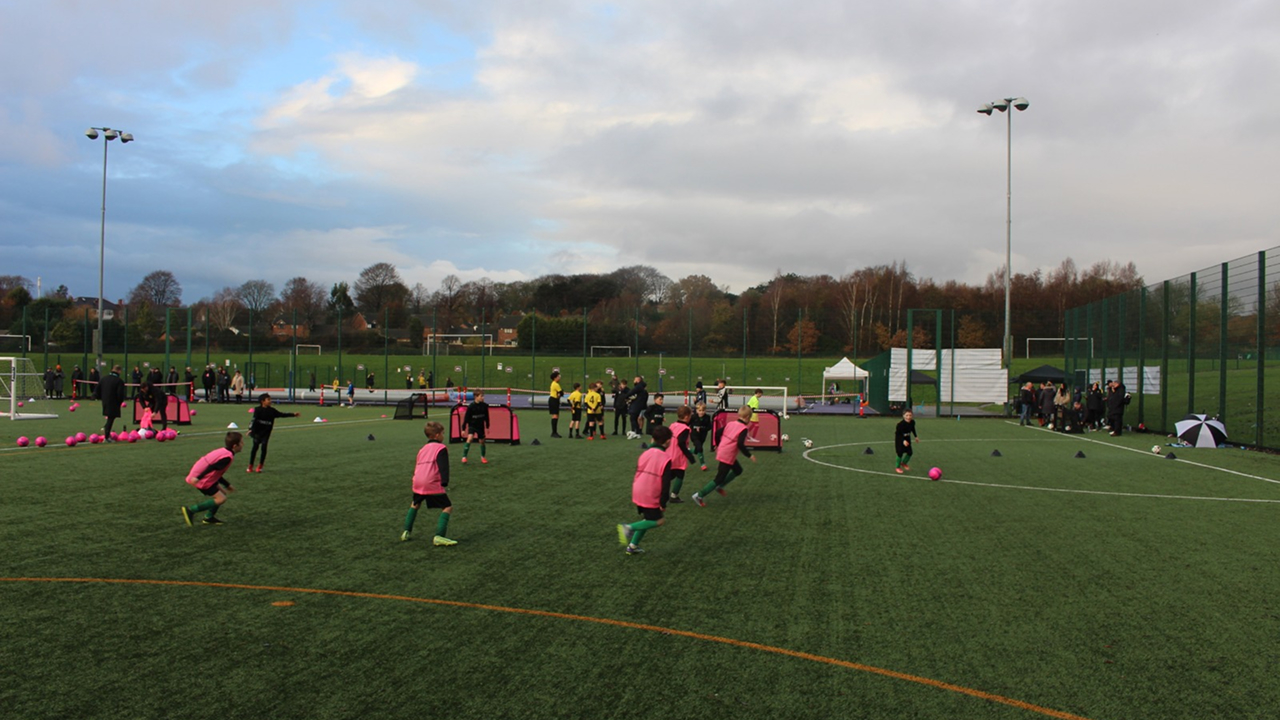
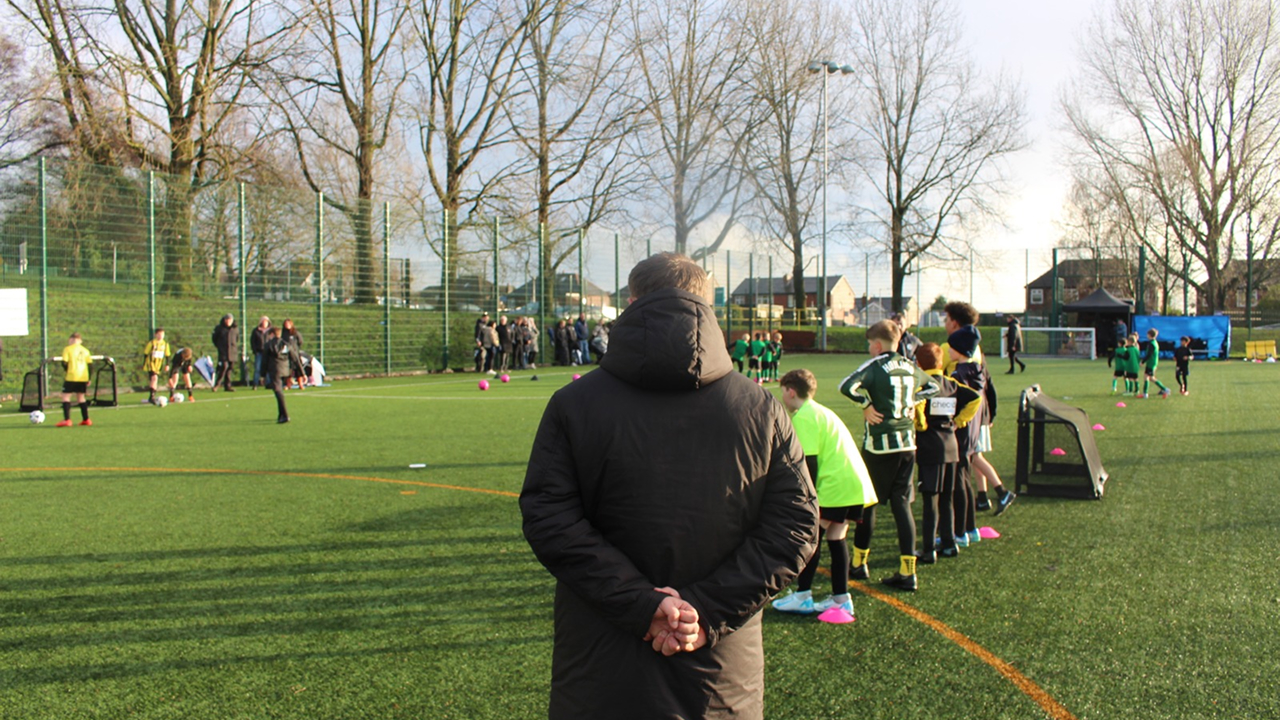
Sure, there were soccer balls everywhere, neat cones, and coaches yelling instructions, just like any other practice. But under the usual sights and sounds, you could tell the day meant more than a typical weekend training.
This wasn’t just another practice or local tournament. It felt like a group effort to give back to the game, and more importantly, to the people who give so much of themselves. David Flitcroft put it simply:
The Grassroots Coachathon is all about giving back to the game that’s given us so much.
They never focused on scores or winning. Instead, the day was a celebration of people. Coaches, parents, volunteers, and players stood together with one goal: to support each other, talk openly, and remind everyone in grassroots football that no one should feel alone.
What the Day Was Like
If you had walked into the Coachathon at any point, you would have felt the vibe right away. It was friendly, open, and had a strong sense of community.
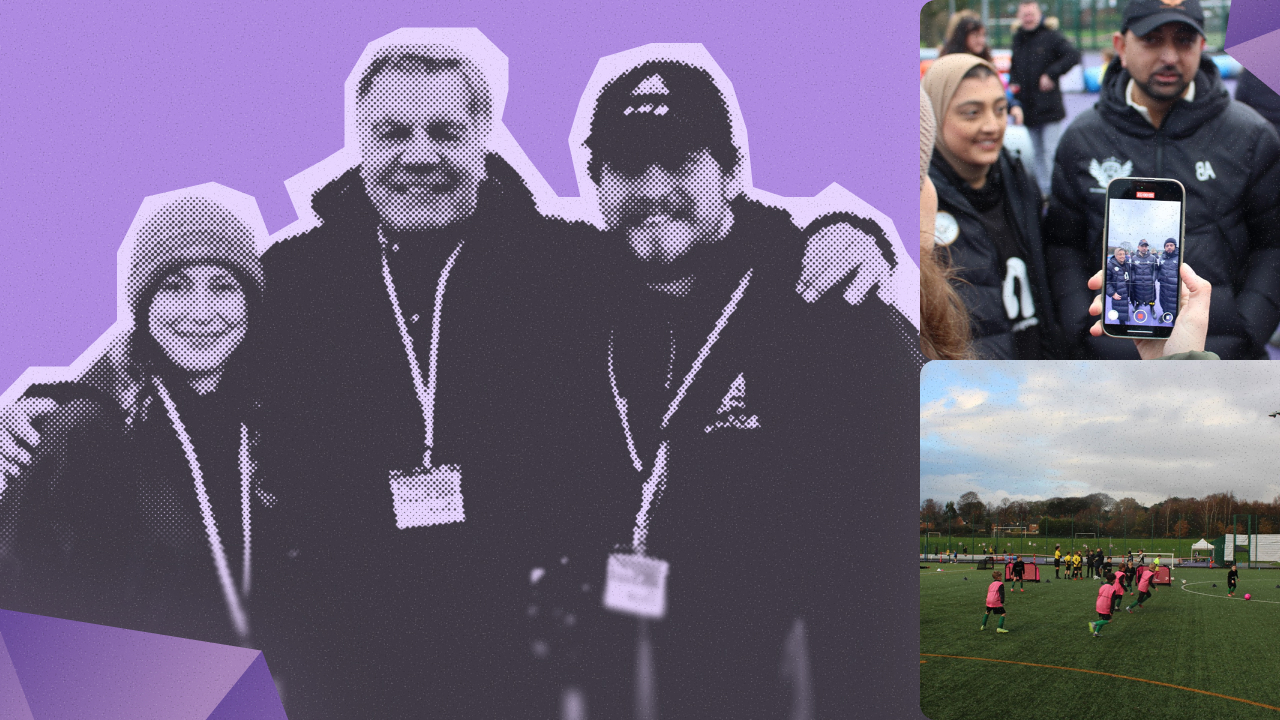
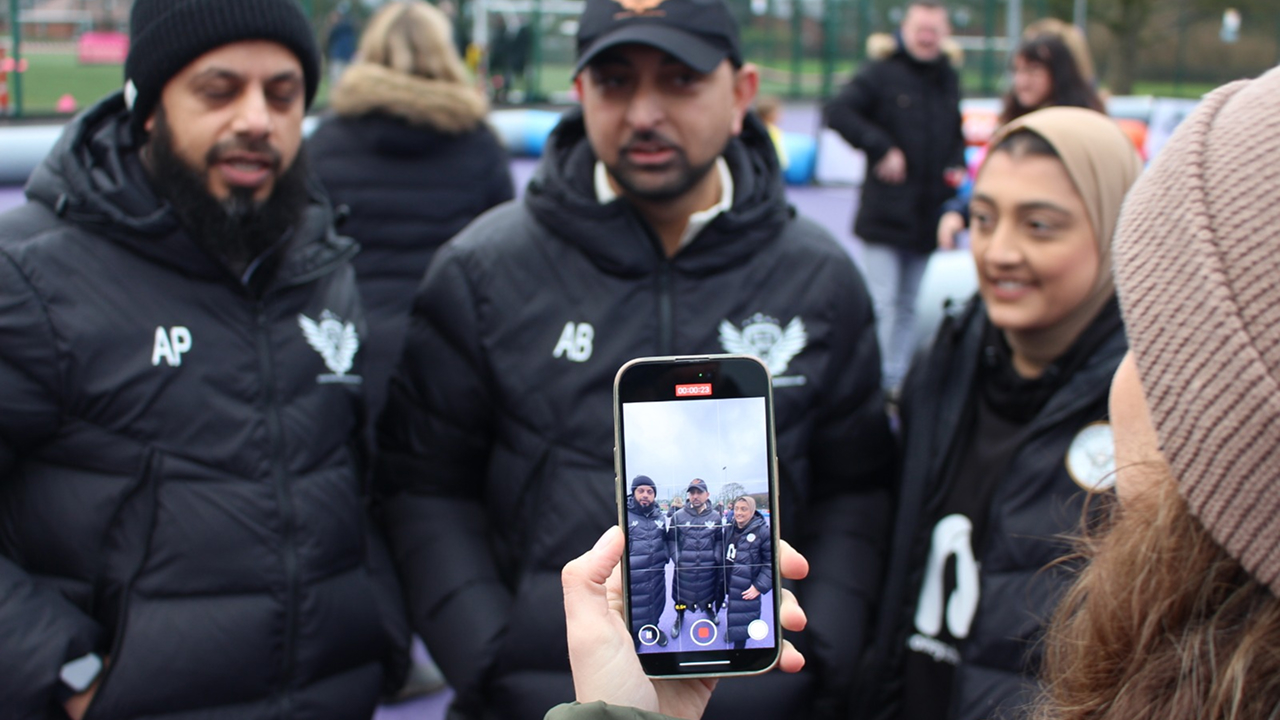
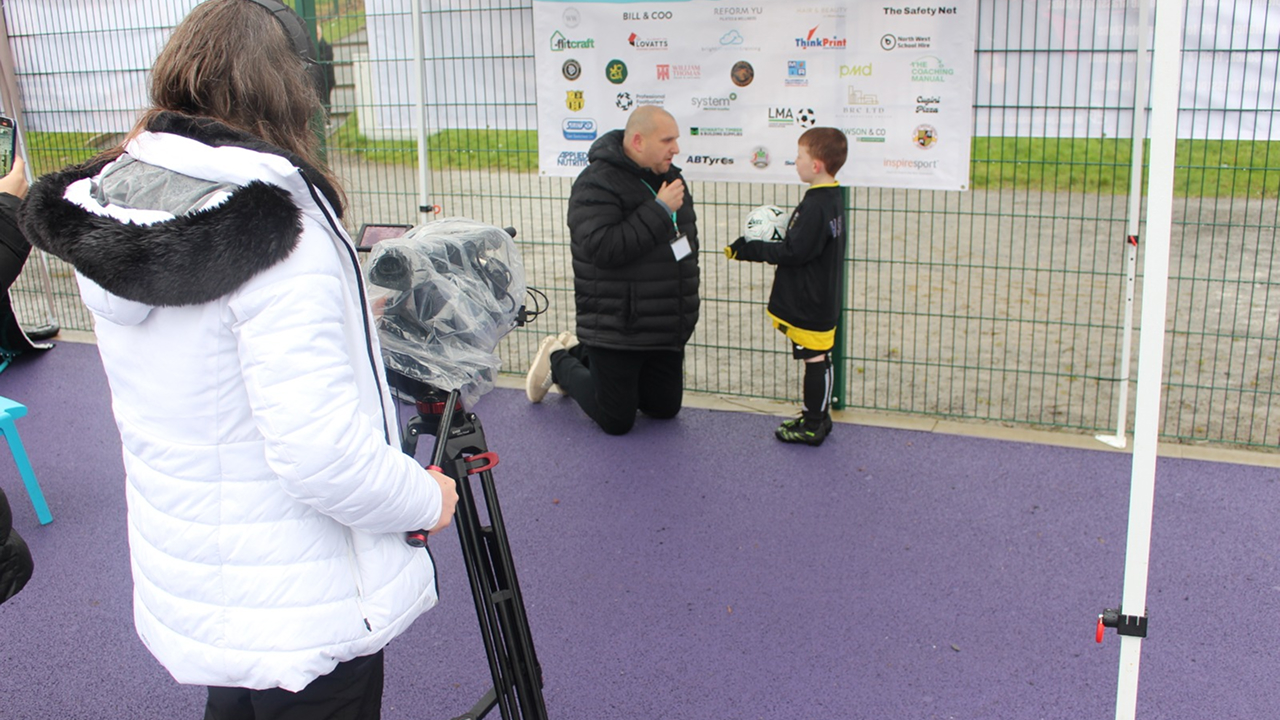
Between sessions, coaches casually talked while parents and volunteers watched. Phones came out to record things, but it didn’t feel forced. People were just capturing something they were happy to be part of.
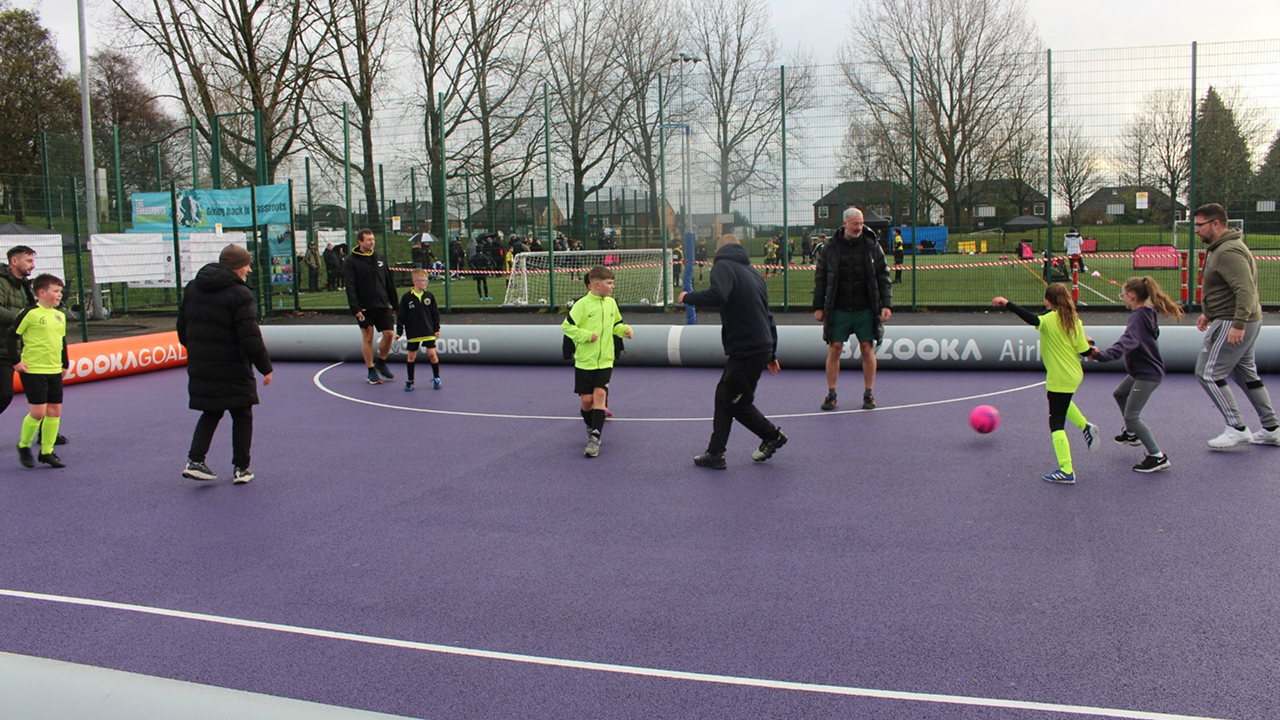
On the fields, the coaching was lively and creative. The point wasn’t to do fancy drills or show off tactics. It was about making a place where kids could enjoy football and feel close to the people around them.
Sessions were about including everyone and having fun. Smiles mattered more than how hard they played. Confidence mattered more than the final score.
Ideas, Psychology, & Expert Advice
One of the best parts of the day wasn’t planned. It happened in the breaks between sessions.
Instead of the usual sideline talk about formations, game results, or upcoming matches, people were checking in on each other. They shared experiences. They talked about pressures. There was room for honest conversations.
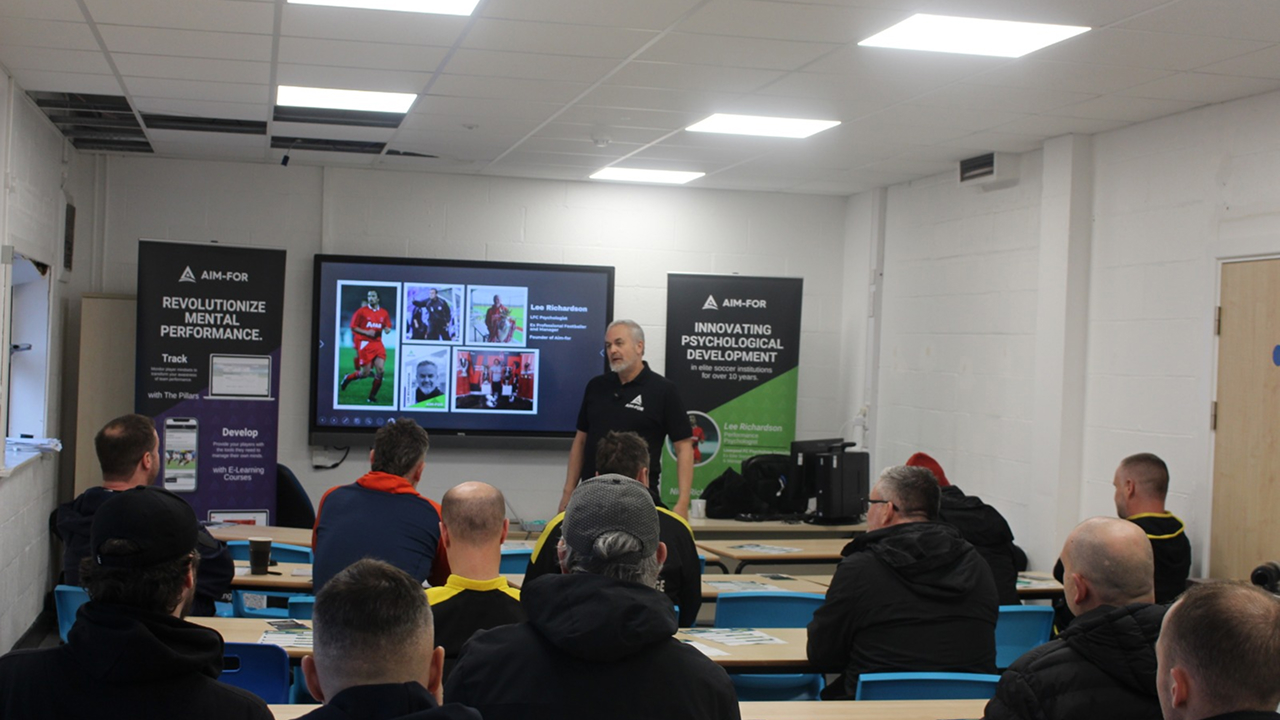
Speaking to a room full of grassroots coaches, Lee Richardson talked openly about how simple ideas from psychology can make relationships with young players stronger. He said that good support doesn’t need to be complicated or clinical. These ideas, he explained, can naturally fit into everyday coaching, both on and off the field.
He was joined by Will Ryder, Academy Director at Port Vale, who shared lessons from his professional work using examples grassroots coaches could easily relate to. He also gave practical tips on tactics that many coaches were eager to use in their own sessions.
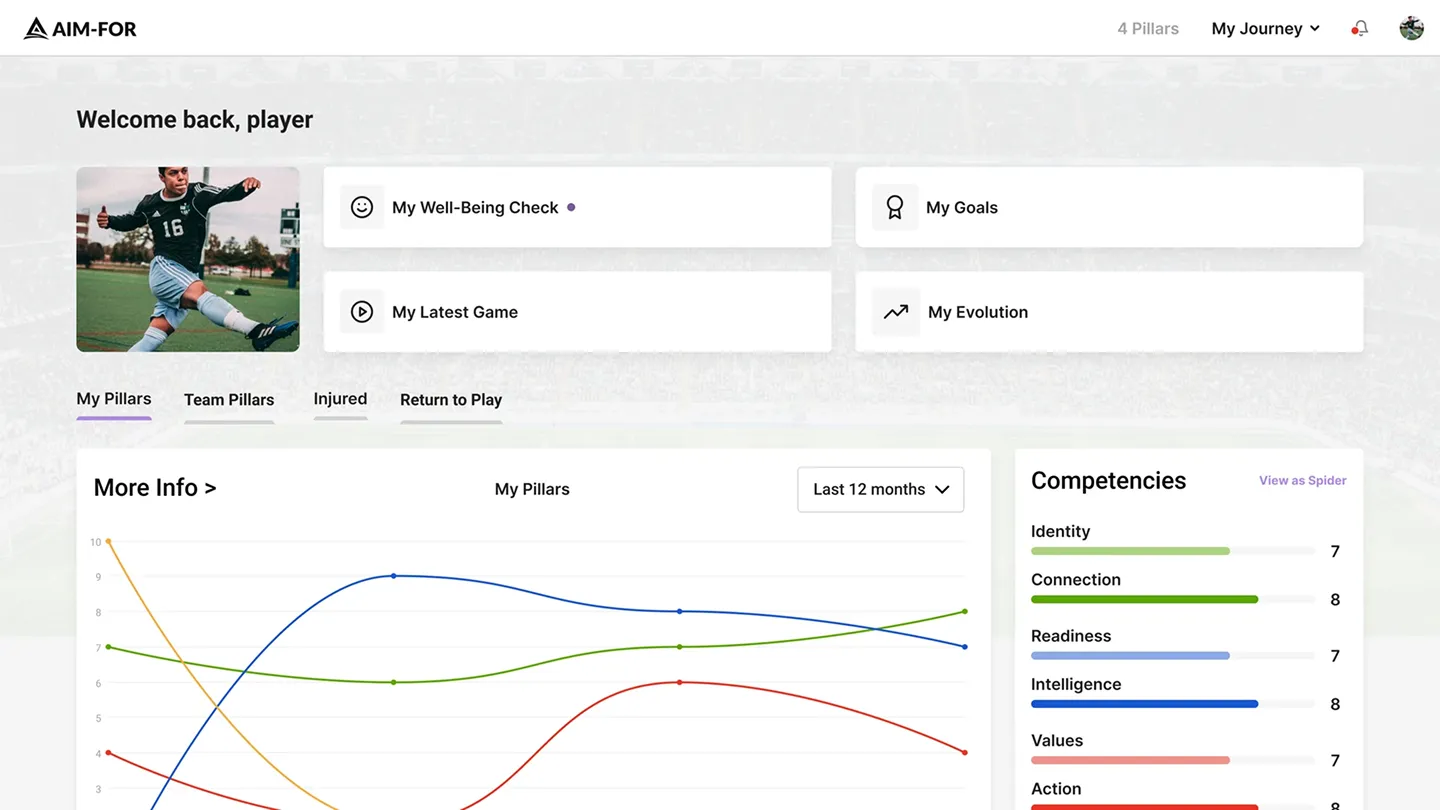
Both talks used the same language and structure of the 4Pillars psychology framework, giving coaches something consistent and useful to work with.
Some Well-Known Faces, And Why It Mattered
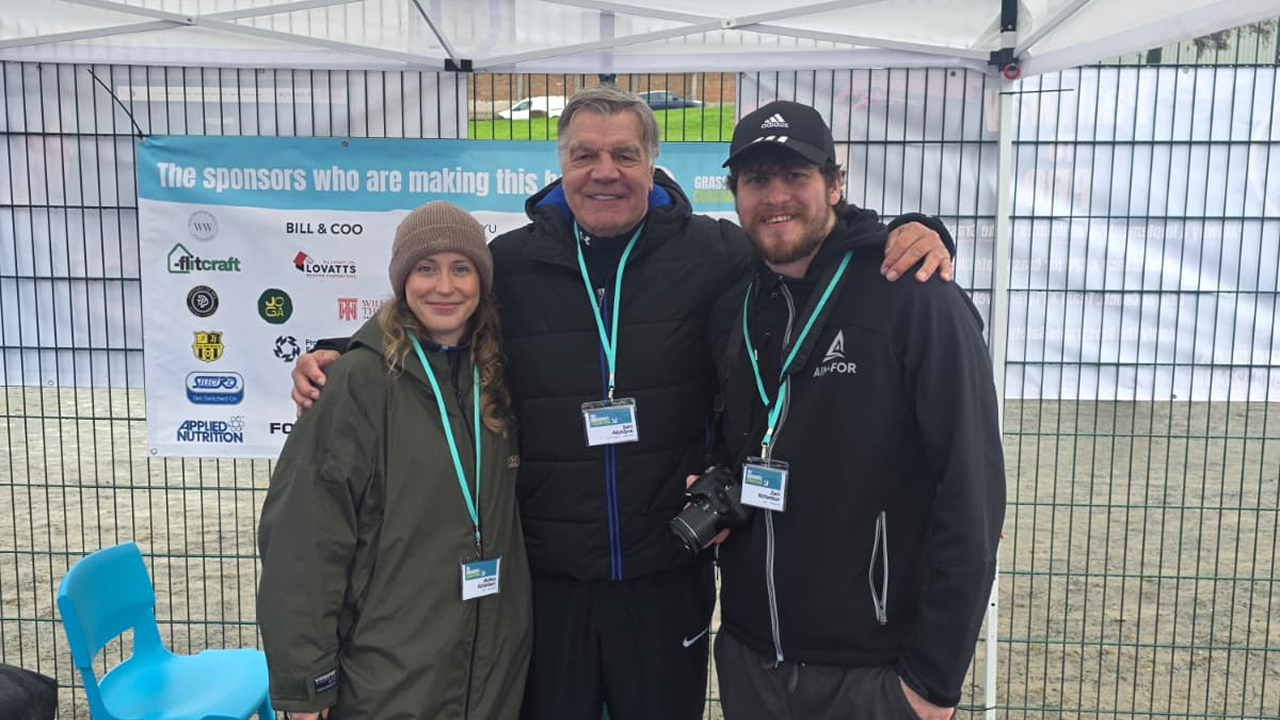
As the day went on, what really surprised me was how many familiar faces from professional football were there, standing shoulder to shoulder with grassroots coaches, parents, and volunteers.
People supporting the event included Sam Allardyce, a former top manager and respected figure in English football, along with Ben Futcher, now England’s U20 National Head Coach and a long-time friend of David Flitcroft.
Former players and coaches like Ash Duckworth, Julian Darby, and Steve Leyland were also there, each bringing years of experience and a real dedication to the game at every level.
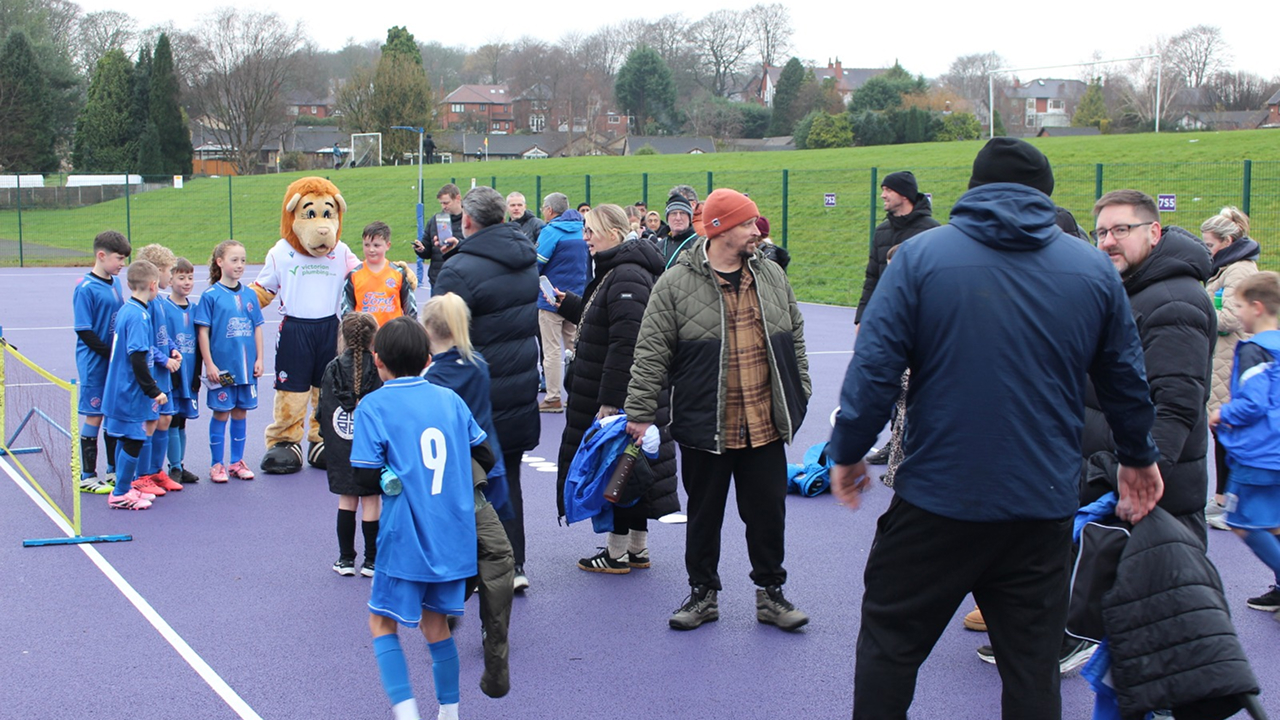
On a more personal note, it was great to meet Dave Flitcroft’s sons, Bobby and Billy. And yes, Lofty the Lion showed up too, bringing some fun and lots of smiles to a day that meant a lot.
Seeing volunteers, parents, kids, and famous professionals sharing the same space and values really underlined something important: grassroots football isn’t separate from the professional game. It’s where everything begins.
“Together, We Are Stronger”
That message was everywhere at the Coachathon. Flitcroft’s reminder that talking openly, checking in, and supporting each other is what truly makes grassroots football stronger could be felt in every chat.
By the end of the day, there was a clear change. Coaches looked lighter. Parents felt heard. Kids had the kind of joy and feeling of belonging that football should always give.
The Purpose of the Safety Net
Running alongside the Coachathon was a constant reminder of why the Safety Net program exists.
Being passionate isn’t always enough to protect people. The Safety Net gives grassroots communities something solid to lean on. It offers awareness, teaching, ways to connect, and clear advice on where to go when things feel too much.
To learn more about the help available, check out:
The Safety Net – A Mental Health Platform Built For Your People →
No coach, parent, volunteer, or young player should ever feel like they have to struggle alone.
A New Way for Grassroots Football
What the Coachathon really showed is that the future of grassroots football isn’t just about making better players. It’s about setting up places where people truly look out for each other.
Football has always been able to change lives. More and more, it’s also becoming a place where lives can be protected.
The message going forward is simple. Talk openly. Check in on people. Look out for each other. Know that everyone carries something you might not immediately see.
It’s these small, human moments that make grassroots football safer, stronger, and more connected.
Last Thoughts
The Grassroots Coachathon wasn’t just another event. It felt like a statement of intent. A shared promise to community, and a reminder that football is at its best when it cares for the people who give their time, energy, and effort.
Meeting well-known people alongside volunteers and children, all sharing the same beliefs, really highlighted something simple but important: grassroots football is football.
And this truly feels like just the start. Whether you’re a coach, parent, volunteer, or player, you’re now part of a growing movement set on making grassroots football a place where everyone belongs, everyone matters, and no one ever stands alone.